Federal Childcare Pilot Programs: Enroll Now Before March 2026 Deadline
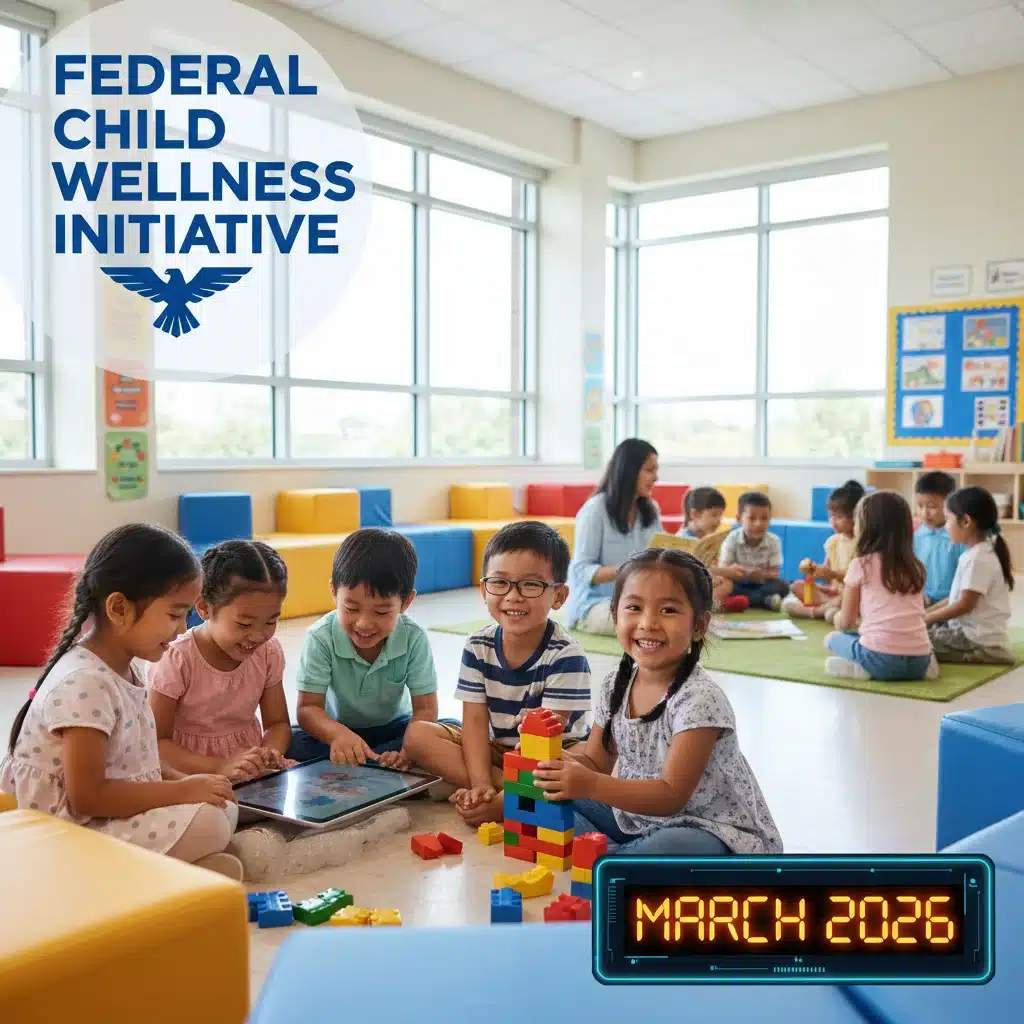
The landscape of family support in the United States is constantly evolving, and a significant development is currently unfolding that could revolutionize access to affordable and high-quality childcare for countless families. We are talking about the new Federal Childcare Pilot Programs, an initiative designed to alleviate the financial burden of childcare and ensure that children receive the best possible start in life. However, this is not just an announcement; it’s a call to action with a critical deadline looming: March 2026. Missing this window could mean missing out on invaluable support for your family.
For many parents, the cost of childcare is a staggering expense, often rivaling or even exceeding housing costs or college tuition. This financial strain can force difficult decisions, impacting career progression, family planning, and overall economic stability. Recognizing this pervasive challenge, the federal government has launched these pilot programs as a strategic intervention, aiming to test innovative approaches to childcare provision and funding. These programs represent a significant investment in the future of our children and the economic well-being of families across the nation.
This comprehensive guide will delve deep into everything you need to know about these vital Federal Childcare Programs. We’ll explore who is eligible, what benefits they offer, the application process, and crucially, how to navigate the system to ensure your family can take advantage of this time-sensitive opportunity before the March 2026 deadline. The goal is to provide you with all the information necessary to make an informed decision and take the necessary steps to secure your family’s future.
Understanding the Scope of Federal Childcare Pilot Programs
The newly introduced Federal Childcare Pilot Programs are not a one-size-fits-all solution but rather a series of diverse initiatives tailored to address various childcare needs and challenges across different communities. The ‘pilot’ designation signifies that these programs are designed to be flexible, experimental, and data-driven. The government aims to gather valuable insights from these initial implementations to inform future, broader childcare policies. This means that while the core objective remains consistent – to provide accessible and affordable childcare – the specific mechanisms and benefits might vary slightly depending on the region or the particular program stream.
What Are These Programs Designed to Achieve?
- Increase Affordability: A primary goal is to significantly reduce the financial burden on families by offering subsidies, grants, or sliding-scale payment options. This makes quality childcare accessible to families who might otherwise be priced out of the market.
- Improve Quality and Access: Beyond just cost, the programs aim to enhance the quality of childcare services available. This could involve supporting professional development for childcare providers, investing in better facilities, or expanding the number of available slots.
- Support Workforce Participation: By providing reliable and affordable childcare, these programs enable parents, particularly mothers, to enter or remain in the workforce, contributing to economic growth and household stability.
- Promote Early Childhood Development: High-quality early learning environments are crucial for a child’s cognitive, social, and emotional development. The programs prioritize settings that foster holistic growth and prepare children for school success.
- Address Specific Community Needs: Some pilot programs may be targeted at specific demographics, such as low-income families, rural communities, or children with special needs, ensuring that support reaches those who need it most.
It’s crucial for families to understand that these are indeed pilot programs, meaning they have a defined scope and timeline. The March 2026 deadline is not just an arbitrary date; it marks the end of the initial enrollment period and often the window for securing benefits under the current iteration of these programs. Therefore, proactive engagement is absolutely necessary.
Who is Eligible for the Federal Childcare Programs?
Eligibility for the Federal Childcare Programs will vary depending on the specific pilot initiative and the state or locality in which it is implemented. However, there are common criteria that most federal assistance programs share, which can provide a general guideline. It’s imperative to consult official program guidelines for precise requirements relevant to your area.
Common Eligibility Criteria Include:
- Income Thresholds: Many programs are designed to assist low-to-moderate income families. Eligibility is often determined by a percentage of the State Median Income (SMI) or the Federal Poverty Level (FPL). You will likely need to provide proof of income, such as pay stubs, tax returns, or benefit statements.
- Work, Training, or Education Requirements: In many cases, parents or guardians must be working, actively seeking employment, attending school, or participating in job training programs to qualify. This ensures the programs support families striving for self-sufficiency.
- Child’s Age: The programs are typically geared towards children from infancy through school age, often up to 12 or 13 years old, or older for children with special needs.
- Residency: Applicants must generally be legal residents of the state or jurisdiction where the program is offered.
- Family Size: The number of dependents in your household will also be a factor in determining income eligibility and the level of assistance you may receive.
It is vital to gather all necessary documentation well in advance of the deadline. This often includes birth certificates for children, proof of income for all adults in the household, residency verification, and documentation of work or school status. The more organized you are, the smoother the application process for these Federal Childcare Programs will be. Remember, the March 2026 deadline is firm, and incomplete applications may not be processed in time.
Benefits of Enrolling in Federal Childcare Pilot Programs
The advantages of participating in the Federal Childcare Pilot Programs extend far beyond mere financial relief. While cost savings are undoubtedly a primary motivator for many families, these programs offer a holistic package of benefits that can profoundly impact a child’s development and a family’s overall well-being.
Key Benefits Include:
- Significant Cost Savings: This is perhaps the most immediate and tangible benefit. Depending on your income and the specific program, you could see a substantial reduction in your monthly childcare expenses, freeing up household income for other necessities or savings.
- Access to High-Quality Care: Programs often have standards for participating childcare providers, ensuring that children are placed in safe, nurturing, and developmentally appropriate environments with qualified staff. This peace of mind is invaluable for working parents.
- Enhanced Child Development: Children in quality early learning settings are more likely to develop strong cognitive, social, and emotional skills, leading to better academic outcomes and overall life success. These programs invest in your child’s future.
- Increased Parental Workforce Participation: With reliable and affordable childcare, parents, especially those who previously faced barriers, can pursue employment or educational opportunities with greater ease. This can lead to career advancement and improved financial stability for the family.
- Reduced Stress and Improved Well-being: The constant struggle to find and afford childcare can be incredibly stressful. These programs aim to alleviate that burden, allowing parents to focus more on their work and family life without constant worry.
- Community Support and Resources: Many programs connect families with additional resources, such as parenting workshops, health screenings, and nutritional support, fostering a stronger community network.
The long-term impact of these benefits cannot be overstated. By investing in early childhood education and supporting families, the Federal Childcare Programs contribute to a more equitable and prosperous society. The March 2026 deadline is not just about securing a spot; it’s about unlocking a brighter future for your children and your family.
The Application Process: A Step-by-Step Guide
Navigating government programs can sometimes feel daunting, but with a clear understanding of the process, enrolling in the Federal Childcare Pilot Programs can be straightforward. The key is to be organized, proactive, and mindful of the impending March 2026 deadline.

Step-by-Step Application Guide:
- Identify Your Local Program: Start by visiting your state’s Department of Human Services, Department of Social Services, or a dedicated childcare resource and referral agency website. These entities typically administer federal childcare funds and will have information on the specific pilot programs available in your area. Look for programs related to the Federal Childcare Programs or similar initiatives.
- Understand Eligibility Requirements: Once you’ve identified potential programs, carefully review their specific eligibility criteria. As mentioned earlier, these often include income thresholds, work/education requirements, and child age limits. Don’t assume; verify every detail.
- Gather Required Documents: This is a critical step. Common documents include:
- Proof of income (pay stubs, tax returns, W-2s, self-employment records)
- Proof of residency (utility bills, lease agreement)
- Birth certificates or other identification for all children
- Identification for all adults in the household (driver’s license, state ID)
- Proof of work, school, or training enrollment (employment verification letters, transcripts)
- Any documentation related to special needs for a child, if applicable
- Complete the Application Form: Most applications can now be completed online, though some may still require paper submissions. Fill out the form accurately and completely. Any missing information could delay processing or lead to rejection.
- Submit Your Application: Follow the instructions for submission carefully. This might involve uploading documents online, mailing them, or delivering them in person. Ensure you receive a confirmation of submission.
- Attend Any Required Interviews or Appointments: Some programs may require an interview or an appointment to verify information or discuss your family’s needs. Be prepared and bring any additional requested documents.
- Follow Up: If you haven’t heard back within the stated timeframe, don’t hesitate to follow up with the program administrator. Keep a record of all communications.
Remember, the March 2026 deadline is for enrollment. The entire application process, from gathering documents to final approval, can take time. Starting early is your best strategy to ensure your family benefits from these crucial Federal Childcare Programs.
Understanding the March 2026 Deadline: Why It’s Critical
The March 2026 deadline is not merely a suggestion; it’s a critical cutoff point for families hoping to access the benefits of the Federal Childcare Pilot Programs. Understanding the implications of this deadline is paramount for anyone considering applying.
What Does the March 2026 Deadline Mean?
- Enrollment Cutoff: For many of these pilot programs, March 2026 signifies the final date by which new enrollments will be accepted. Applications received after this date may not be considered, regardless of eligibility.
- Funding Allocation: Pilot programs often operate on a fixed budget and timeline. The deadline may be tied to the allocation of initial federal funds, meaning once the enrollment window closes, the available resources might be fully committed.
- Evaluation Period: As ‘pilot’ programs, there is an inherent evaluation phase. The March 2026 deadline might coincide with the start of a period where data is collected and analyzed to assess the program’s effectiveness, making new enrollments difficult or impossible.
- Potential Program Changes: While successful pilot programs may be expanded or made permanent, there’s no guarantee. Future iterations might have different eligibility criteria, benefits, or even be discontinued. Enrolling now secures your place under the current, established terms.
- Limited Slots: Childcare programs, especially those offering subsidies, often have a finite number of slots. Applying early increases your chances of securing a spot before they are filled, a factor that becomes even more pressing as the deadline approaches.
The urgency surrounding the March 2026 deadline cannot be overstated. Procrastination could lead to missed opportunities for significant financial relief and access to quality childcare. Families should treat this deadline with the utmost seriousness, viewing it as a hard stop for initial access to these valuable Federal Childcare Programs.
Maximizing Your Chances: Tips for a Successful Application
To ensure your application for the Federal Childcare Pilot Programs is as strong as possible and to navigate the process effectively before the March 2026 deadline, consider these essential tips:
Tips for Success:
- Start Early: This is the most crucial piece of advice. Do not wait until the last minute. Begin researching programs and gathering documents today. The application process can take time, and unexpected delays can occur.
- Read All Instructions Carefully: Every program has specific requirements. Read all application instructions thoroughly to avoid common errors that could lead to delays or rejection. Pay close attention to sections related to the Federal Childcare Programs in your region.
- Organize Your Documents: Create a dedicated folder (physical or digital) for all your application materials. Label everything clearly. This will save you time and stress when completing the application and if follow-up documentation is requested.
- Be Honest and Accurate: Provide truthful and accurate information on your application. Misrepresentation can lead to disqualification and potentially more severe consequences.
- Seek Assistance If Needed: If you encounter difficulties understanding the application or gathering documents, don’t hesitate to seek help. Many local childcare resource and referral agencies, social service offices, or non-profits offer free assistance to families applying for these programs. They can provide invaluable guidance specific to the Federal Childcare Programs in your area.
- Keep Copies of Everything: Make copies of your completed application and all supporting documents before submitting them. This provides a record for your files and can be useful if there are any discrepancies or if you need to resubmit.
- Confirm Submission: Always ensure you receive a confirmation of your application submission. If applying online, look for a confirmation email or reference number. If mailing, consider using certified mail.
- Stay Informed: Keep an eye on official announcements from federal and state agencies regarding these programs. Program details can sometimes be updated, and staying informed will ensure you have the latest information.
By following these tips, you significantly increase your likelihood of successfully enrolling in the Federal Childcare Programs and securing the support your family needs well before the March 2026 deadline.
Addressing Common Concerns and FAQs
As with any new government initiative, families often have questions and concerns regarding the Federal Childcare Pilot Programs. Here, we address some of the most frequently asked questions to provide further clarity and peace of mind before the March 2026 deadline.
Frequently Asked Questions:
- Q: What if I don’t meet the income requirements for the Federal Childcare Programs?
- A: Even if you don’t meet the primary income thresholds, it’s still worth investigating. Some programs have different tiers of assistance, or there might be other state or local programs available that you do qualify for. Eligibility criteria can sometimes have nuances, so always check the specific program details in your area.
- Q: Can I choose any childcare provider once enrolled in the program?
- A: Generally, programs require you to choose from a list of approved or licensed childcare providers who meet certain quality standards and are willing to accept the program’s payment structure. This ensures that federal funds support reputable and safe childcare environments. Your local agency can provide a list of participating providers.
- Q: What happens after the March 2026 deadline? Will the programs continue?
- A: The March 2026 deadline primarily pertains to the initial enrollment period for these pilot programs. While there is a strong possibility that successful programs will be extended, expanded, or transitioned into permanent initiatives, there are no guarantees. Enrolling before the deadline secures your benefits under the current program terms. Future iterations may have different rules or funding.
- Q: My child has special needs. Are there specific provisions within these Federal Childcare Programs?
- A: Many federal and state childcare programs include provisions for children with special needs, often extending age eligibility or providing additional support for specialized care. Be sure to disclose your child’s needs during the application process and inquire about specific resources available.
- Q: How long will the childcare assistance last once I’m approved?
- A: The duration of assistance varies by program and is often subject to periodic re-evaluation of your eligibility (e.g., annual reviews of income and work status). The pilot nature of these Federal Childcare Programs means initial approval might be for a specific period, but extensions are possible if the program continues and you remain eligible.
- Q: What if I move to a different state or county?
- A: Childcare assistance programs are typically administered at the state or local level, even when federally funded. If you move, your eligibility and benefits may change, and you would likely need to reapply for programs available in your new location. Contact your current program administrator to understand the implications of moving.
Having your questions answered can alleviate stress and empower you to move forward with confidence. Don’t let uncertainty deter you from exploring these crucial Federal Childcare Programs before the March 2026 deadline.
The Broader Impact of Federal Childcare Initiatives
The introduction of these Federal Childcare Pilot Programs signifies a growing recognition at the national level of the critical role that accessible, affordable, and high-quality childcare plays in the economic stability of families and the overall health of the economy. Beyond the immediate benefits to individual families, these initiatives have a profound broader impact.
Societal and Economic Impact:
- Economic Growth: When parents, especially mothers, have reliable childcare, they can participate more fully in the workforce, leading to increased productivity, higher tax revenues, and reduced reliance on other forms of public assistance.
- Reduced Poverty: Childcare costs are a major driver of poverty for many families. By subsidizing these costs, the programs directly contribute to poverty reduction and economic mobility.
- Improved Educational Outcomes: Research consistently shows that children who attend high-quality early learning programs are better prepared for kindergarten, achieve higher academic results, and are less likely to require special education services. This creates a stronger future workforce.
- Gender Equity: The burden of childcare disproportionately falls on women. By making childcare more accessible, these programs promote gender equity in the workplace and allow women greater opportunities for career advancement.
- Stronger Communities: When families thrive, communities thrive. These programs foster stronger, more resilient communities by supporting parents and ensuring children have a solid foundation for growth.
- Innovation in Childcare Sector: The ‘pilot’ nature encourages innovation among childcare providers, potentially leading to new models of care, improved curricula, and more efficient service delivery.
The success of these initial Federal Childcare Programs, measured through the data collected during the pilot phase, will be instrumental in shaping future federal policy. Therefore, widespread participation before the March 2026 deadline is not just about individual family benefit; it also contributes to demonstrating the immense need and positive impact of such initiatives, potentially paving the way for more permanent and expansive solutions.

Don’t Miss the March 2026 Deadline: Act Now!
The message is clear and urgent: the opportunity to enroll in the new Federal Childcare Pilot Programs is time-sensitive, with a hard deadline of March 2026. This is not a chance to be overlooked. For families struggling with the prohibitive costs of childcare, or those seeking quality early learning environments for their children, these programs offer a beacon of hope and tangible support.
We’ve outlined the significant benefits, from substantial financial relief to access to high-quality care that fosters strong child development. We’ve also provided a step-by-step guide to the application process and highlighted common eligibility criteria, emphasizing the importance of preparedness and accuracy. Most importantly, we’ve underscored the critical nature of the March 2026 deadline, explaining why delaying your application could lead to a missed opportunity.
Take the proactive step today. Research the specific Federal Childcare Programs available in your state or locality. Gather your documents, complete your application with diligence, and submit it well in advance of the deadline. If you have questions, seek assistance from local agencies. This is an investment in your child’s future, your family’s financial stability, and your peace of mind.
The federal government has initiated these pilot programs to address a pressing national need. By participating, you not only secure benefits for your family but also contribute to the data that will shape future childcare policies for generations to come. Don’t let this critical window close. Mark March 2026 on your calendar as a reminder to act now and ensure your family doesn’t miss out on these vital resources.
Secure your spot in these transformative Federal Childcare Programs. Your family deserves the support, and the time to act is now!