Integrating Special Needs Children: 5 Practical Solutions for US Community Programs by Summer 2026
Integrating Special Needs Children: 5 Practical Solutions for US Community Programs by Summer 2026
The vision of a truly inclusive society is one where every child, regardless of their abilities or challenges, has the opportunity to participate fully in community life. For children with special needs, this often means overcoming systemic barriers to access and engagement in mainstream community programs. As we look towards Summer 2026, there’s a pressing need for actionable strategies to ensure that these programs are not just accessible, but genuinely welcoming and enriching for all children. This article delves into five practical solutions designed to bridge this gap, focusing on initiatives that can be implemented effectively across the United States to foster meaningful Special Needs Integration.
The benefits of integrating children with special needs into community programs are multifaceted. For the children themselves, it offers opportunities for social development, skill-building, increased self-esteem, and a sense of belonging. For typically developing children, it cultivates empathy, understanding, and an appreciation for diversity. For the community at large, it strengthens social cohesion and reflects a commitment to equitable opportunities for all its members. Yet, achieving this integration requires more than just good intentions; it demands deliberate planning, resource allocation, and a shift in perspective among program organizers and participants alike.
The landscape of special needs varies widely, encompassing a broad spectrum of physical, cognitive, emotional, and developmental differences. Therefore, solutions for Special Needs Integration must be flexible, person-centered, and adaptable to the unique requirements of each child. This isn’t about a one-size-fits-all approach, but rather about creating a framework that allows for individualized support within a collective environment. The goal is not merely to accommodate, but to celebrate diversity and leverage it as a strength within community settings.
1. Comprehensive Staff Training and Development: The Cornerstone of Inclusion
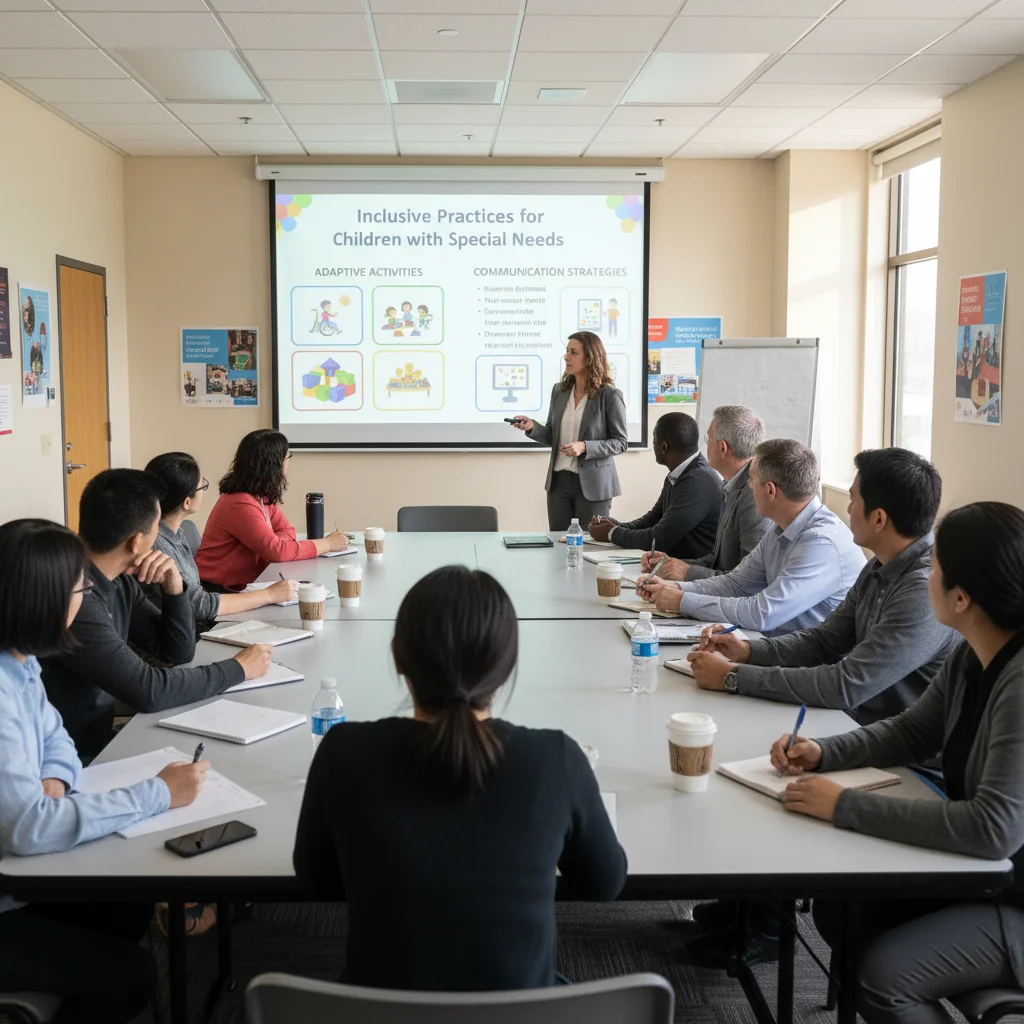
One of the most critical components for successful Special Needs Integration is equipping program staff with the knowledge, skills, and confidence to effectively support children with diverse needs. By Summer 2026, every community program aiming for true inclusivity should have implemented a robust, ongoing staff training and development program. This goes beyond basic disability awareness; it delves into practical strategies and empathetic understanding.
What Should Training Cover?
- Understanding Diverse Needs: Training should cover common special needs, including but not limited to autism spectrum disorder, ADHD, Down syndrome, cerebral palsy, sensory processing disorders, and learning disabilities. Staff should gain a foundational understanding of the characteristics, challenges, and strengths associated with each.
- Adaptive Communication Techniques: Learning various communication methods, such as visual schedules, picture exchange communication systems (PECS), basic sign language, and strategies for clear verbal communication, is essential. Staff need to be able to adapt their communication style to suit individual children.
- Behavioral Support Strategies: Understanding the function of challenging behaviors and implementing positive behavior interventions and support (PBIS) techniques is crucial. This includes de-escalation strategies, teaching replacement behaviors, and creating supportive environments.
- Activity Modification and Adaptation: Staff must be trained on how to modify activities, games, and crafts to be accessible and engaging for all children. This could involve simplifying rules, providing alternative materials, or offering different levels of participation.
- First Aid and Emergency Protocols: Specialized training in medical emergencies relevant to children with specific conditions (e.g., seizure management, allergy protocols) is vital for ensuring safety and preparedness.
- Promoting Social Inclusion: Training should also focus on strategies to foster positive peer interactions, prevent bullying, and encourage empathy among all children. This involves facilitating peer mentorship and cooperative play.
Implementation Strategies:
- Mandatory Initial Training: All new and existing staff should undergo mandatory initial training before working with children.
- Ongoing Professional Development: Regular refresher courses, workshops, and advanced training sessions should be provided throughout the year to keep staff updated on best practices and address emerging needs.
- Peer-to-Peer Learning and Mentorship: Establishing a system where experienced staff can mentor newer colleagues or share successful strategies can be highly effective.
- Collaboration with Special Education Professionals: Partnering with local schools, therapy centers, and disability organizations to leverage their expertise in developing and delivering training content.
- Scenario-Based Learning: Using role-playing and case studies to help staff practice their skills in a safe environment.
By investing in comprehensive staff training, community programs can cultivate a knowledgeable, confident, and compassionate team ready to facilitate meaningful Special Needs Integration. This investment directly translates into a more positive and enriching experience for all children involved.
2. Fostering Collaborative Partnerships with Families and Support Services
Effective Special Needs Integration is a team effort, and families are invaluable partners in this process. By Summer 2026, community programs need to establish robust mechanisms for ongoing communication and collaboration with families of children with special needs. Furthermore, forging strong links with local therapy providers, special education services, and disability advocacy groups can significantly enhance the support available.
Building Strong Family Partnerships:
- Pre-Program Intake and Assessment: Develop a comprehensive intake process that allows families to share detailed information about their child’s strengths, needs, preferences, communication methods, and any specific accommodations required. This should be a comfortable, confidential conversation.
- Individualized Support Plans (ISPs): For children requiring specific accommodations, create an ISP collaboratively with parents. This plan outlines specific goals, strategies, and resources to support the child’s participation and well-being within the program.
- Regular Communication Channels: Establish clear and consistent communication methods, such as daily check-ins, weekly progress reports, email updates, or a dedicated communication log. Parents should feel informed and heard.
- Parent Advisory Committees: Create opportunities for parents of children with special needs to provide feedback, share insights, and contribute to program development. Their lived experience is invaluable.
- Family Resource Hubs: Develop a list of local resources and support groups for families, making community programs a gateway to broader support networks.
Connecting with External Support Services:
- Referral Networks: Build relationships with local pediatricians, occupational therapists, physical therapists, speech-language pathologists, and special education teachers. These professionals can provide valuable insights, consultations, and direct support.
- On-Site Consultations: Explore the possibility of having therapists or special education consultants visit programs periodically to offer guidance to staff and observe children in their environment.
- Resource Sharing: Collaborate with disability organizations to share training materials, accessible equipment, and best practices.
- Joint Programming: Consider co-hosting events or workshops with special needs organizations to create more inclusive opportunities and reach a wider audience.
By prioritizing collaboration with families and external support services, community programs can create a holistic support system that ensures children with special needs receive the individualized attention and resources they need to thrive, making Special Needs Integration a truly collaborative endeavor.
3. Implementing Universal Design Principles and Accessible Environments
Physical and programmatic accessibility is foundational to meaningful Special Needs Integration. By Summer 2026, community programs should strive to implement Universal Design principles, ensuring that environments and activities are inherently accessible to the widest range of abilities without the need for extensive individual modifications. This proactive approach benefits everyone.
Key Aspects of Universal Design for Community Programs:
- Physical Accessibility:
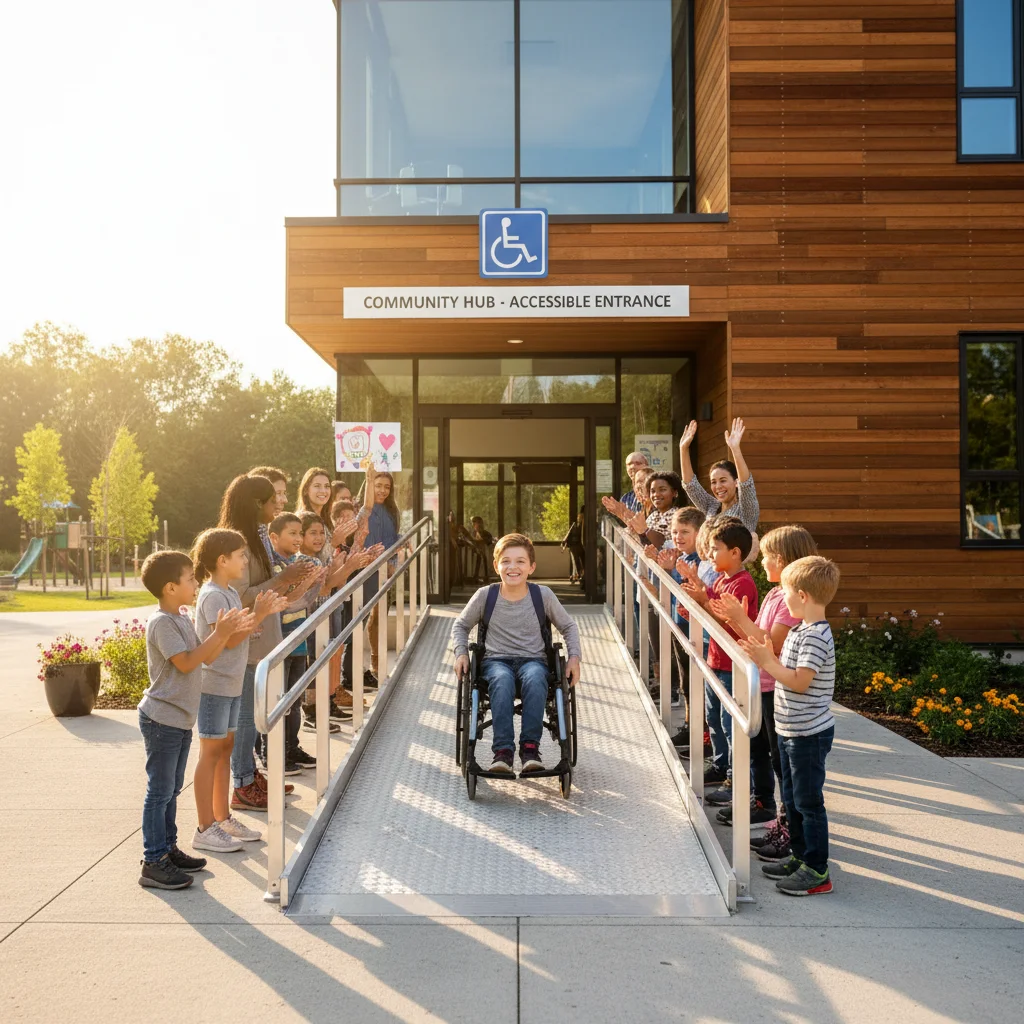
- Ramps and Elevators: Ensuring all areas are accessible for individuals using wheelchairs, walkers, or strollers.
- Accessible Restrooms: Providing spacious stalls, grab bars, and accessible sinks.
- Sensory-Friendly Spaces: Creating quiet zones, reducing overwhelming stimuli (e.g., harsh lighting, loud noises), and offering sensory tools (e.g., fidget toys, weighted blankets).
- Clear Signage: Using visual cues, large print, and potentially Braille or tactile signs for navigation.
- Safe Play Areas: Ensuring playgrounds have accessible surfaces, adaptive swings, and ramps to play structures.
- Programmatic Accessibility:
- Flexible Schedules and Routines: Offering predictable routines with opportunities for flexibility and breaks.
- Visual Supports: Utilizing visual schedules, social stories, and step-by-step instructions for activities.
- Multi-Modal Instruction: Presenting information through various channels – visual, auditory, kinesthetic – to cater to different learning styles.
- Varied Activity Options: Offering a range of activities that accommodate different skill levels, interests, and energy levels.
- Adaptive Equipment: Providing specialized equipment such as adaptive art tools, modified sports equipment, or communication devices.
- Small Group Options: Allowing for participation in smaller, less overwhelming group settings when needed.
Steps Towards Implementation:
- Conduct an Accessibility Audit: Regularly assess existing facilities and programs for barriers to access and identify areas for improvement.
- Allocate Budget for Modifications: Prioritize funding for necessary physical modifications and the purchase of adaptive equipment.
- Consult with Disability Experts: Engage architects, designers, and accessibility consultants who specialize in Universal Design.
- Gather User Feedback: Involve children with special needs and their families in the design and evaluation processes to ensure solutions are practical and effective.
By embracing Universal Design, community programs can proactively remove barriers, creating environments where Special Needs Integration is not an afterthought but an inherent part of the program’s fabric, benefiting not only children with disabilities but also parents with strollers, elderly participants, and anyone with temporary mobility issues.
4. Promoting Peer Education and Inclusive Socialization Strategies
While staff training and accessible environments are crucial, fostering genuine Special Needs Integration also relies heavily on the attitudes and interactions of typically developing peers. By Summer 2026, community programs should actively implement strategies to educate all children about diversity and inclusion, promoting positive social interactions.
Strategies for Peer Education:
- Age-Appropriate Disability Awareness: Integrate lessons on different abilities and disabilities into program activities. This can be done through stories, discussions, guest speakers, or interactive games that simulate different experiences.
- Empathy-Building Activities: Design activities that encourage children to consider different perspectives and develop empathy. For example, role-playing scenarios or collaborative projects that require diverse contributions.
- Highlighting Strengths and Unique Abilities: Focus on the strengths and unique contributions of every child, emphasizing that differences make groups richer and more interesting.
- Modeling Inclusive Behavior: Program staff should consistently model respectful language, inclusive actions, and positive interactions with all children.
Facilitating Inclusive Socialization:
- Structured Play Opportunities: Organize structured games and activities that encourage cooperation and require children with different skills to work together.
- Buddy Systems and Peer Mentorship: Implement a buddy system where typically developing children are paired with children with special needs, providing support and fostering friendships. This should be voluntary and carefully managed to ensure positive experiences for both children.
- Social Skills Groups: Offer small group sessions focused on developing social skills, where children can practice communication, turn-taking, and conflict resolution in a supportive environment.
- Inclusive Language Promotion: Encourage the use of person-first language (e.g., ‘a child with autism’ instead of ‘an autistic child’) and discourage derogatory terms.
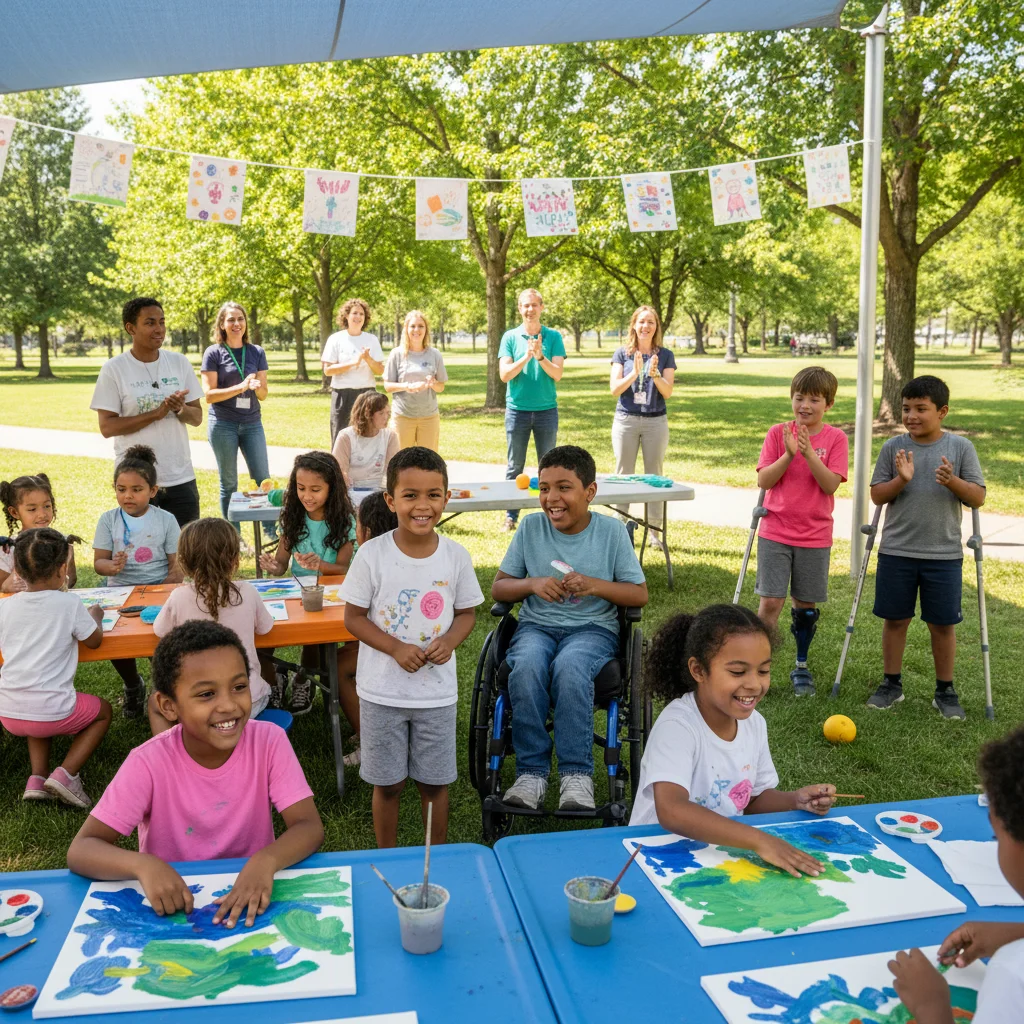
- Creating Shared Experiences: Design activities that naturally invite interaction and shared joy, such as collaborative art projects, music sessions, or storytelling circles.
By proactively educating peers and structuring opportunities for positive social interaction, community programs can cultivate a culture of acceptance and understanding. This approach moves beyond mere presence to genuine belonging, making Special Needs Integration a natural and celebrated aspect of community life.
5. Robust Monitoring, Evaluation, and Continuous Improvement
The journey towards optimal Special Needs Integration is ongoing and requires a commitment to continuous improvement. By Summer 2026, community programs should establish robust systems for monitoring the effectiveness of their inclusive practices and using data to inform future adjustments and enhancements.
Key Components of a Monitoring and Evaluation System:
- Regular Feedback Collection: Systematically gather feedback from all stakeholders: children with special needs, their parents, typically developing children, parents of typically developing children, and program staff. This can be done through surveys, interviews, focus groups, and suggestion boxes.
- Observation and Data Collection: Implement methods for observing and documenting the participation and engagement levels of children with special needs in various program activities. This could involve simple checklists or more detailed anecdotal records.
- Goal Tracking: For children with ISPs, regularly review progress towards their individualized goals and make adjustments as needed.
- Incident Reporting and Analysis: Maintain a clear system for reporting any challenges, incidents, or concerns related to inclusion. Analyze this data to identify patterns and areas requiring intervention or policy changes.
- Program Outcome Measurement: Define clear metrics for success. This might include increased participation rates of children with special needs, improved social skills, higher parent satisfaction, or positive changes in staff attitudes.
Utilizing Evaluation for Improvement:
- Regular Review Meetings: Conduct quarterly or semi-annual review meetings with program leadership, staff, and parent representatives to discuss findings, celebrate successes, and identify areas for growth.
- Action Planning: Based on evaluation results, develop concrete action plans with clear timelines and assigned responsibilities for implementing improvements.
- Resource Allocation Adjustment: Use data to advocate for necessary resources, whether it’s additional staff, specialized training, or adaptive equipment.
- Sharing Best Practices: Document successful strategies and share them internally and with other community programs to foster a network of inclusive excellence.
- Adaptability and Flexibility: Recognize that what works for one child or one program might not work for another. Be prepared to adapt strategies and approaches based on ongoing feedback and evaluation.
A commitment to robust monitoring and evaluation ensures that efforts towards Special Needs Integration are not static but evolve and improve over time, leading to increasingly effective and truly inclusive community programs for all children.
The Path Forward: A Vision for Summer 2026
Achieving comprehensive Special Needs Integration by Summer 2026 is an ambitious yet entirely attainable goal. It requires a concerted effort from all levels of community programming, from policy-makers and administrators to front-line staff, families, and even the children themselves. The five practical solutions outlined above – comprehensive staff training, collaborative partnerships, universal design, peer education, and robust evaluation – provide a clear roadmap.
Imagine a Summer 2026 where every child, regardless of their unique abilities, can walk into a local community program and immediately feel a sense of belonging. Where staff are confident and skilled, ready to adapt and support. Where physical spaces are welcoming and activities are designed for diverse participation. Where peers are educated, empathetic, and eager to form friendships. And where programs are continually learning and evolving to meet the ever-changing needs of their community.
This vision is not just an ideal; it is a necessity for building stronger, more compassionate, and truly equitable communities. By focusing on these practical solutions, we can transform community programs across the US into beacons of inclusivity, ensuring that every child has the chance to play, learn, grow, and thrive together.
The journey of Special Needs Integration is one of continuous learning and adaptation. It challenges us to look beyond perceived limitations and to see the immense potential in every child. By implementing these strategies, we are not just accommodating differences; we are celebrating the richness that diversity brings to our collective human experience. Let’s work together to make Summer 2026 a landmark moment for inclusive community programming in the United States.
The initial investment in training, accessible infrastructure, and collaborative frameworks will yield invaluable returns in the form of happier children, more cohesive communities, and a society that truly values every individual. The time to act is now, to lay the groundwork for a future where inclusion is not an aspiration, but a lived reality for every child.