Telehealth for Special Needs Therapy: 2026 U.S. Outlook
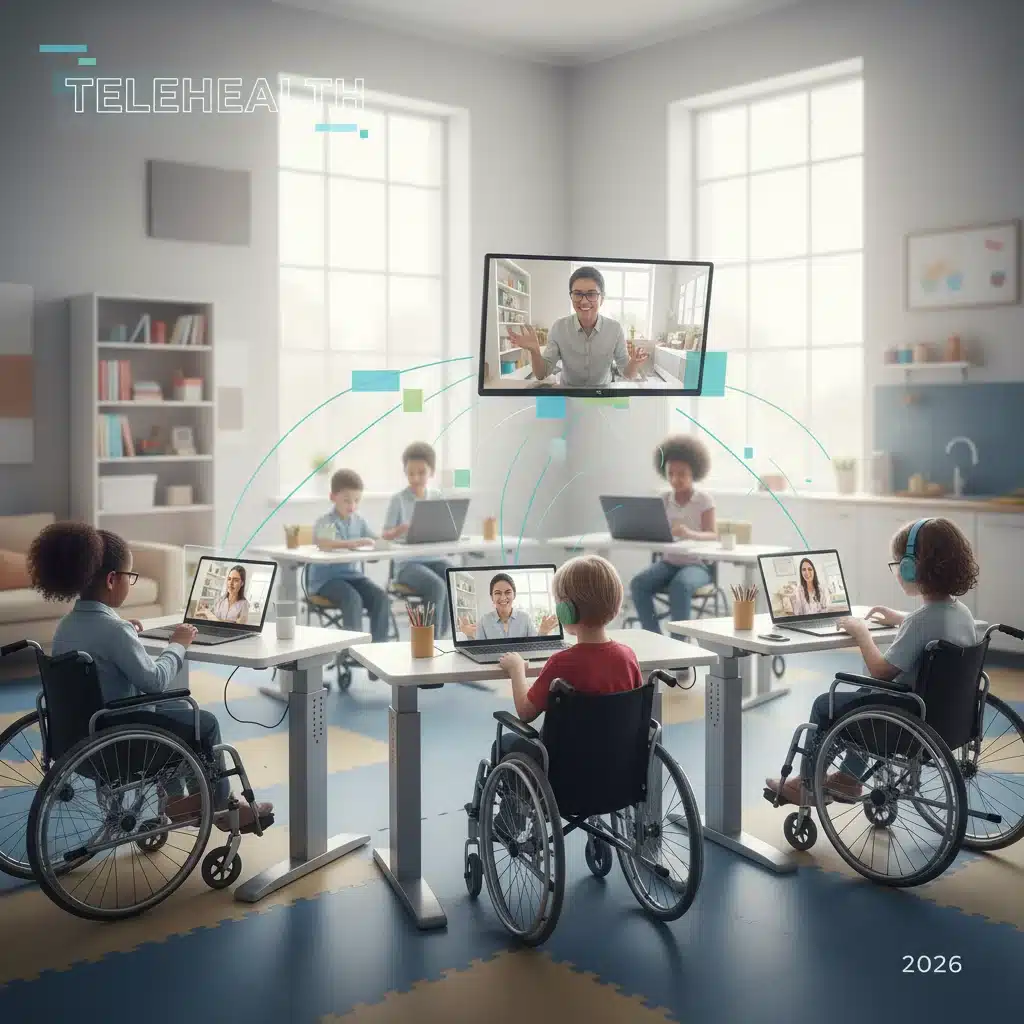
The landscape of healthcare has undergone a profound transformation in recent years, with technological advancements playing a pivotal role in reshaping how services are delivered. Among the most significant of these shifts is the widespread adoption of telehealth, a modality that has proven particularly impactful in the realm of special needs therapy. As we look towards 2026, the United States is poised to witness an even deeper integration of telehealth into the fabric of care for individuals with diverse needs. This comprehensive overview will delve into the current state, projected evolution, inherent benefits, persistent challenges, and future opportunities of telehealth special needs therapy, offering insights into what parents, caregivers, therapists, and policymakers can expect in the coming years.
The term “special needs therapy” encompasses a broad spectrum of services designed to support individuals with developmental, physical, cognitive, and emotional disabilities. These therapies, including occupational therapy, physical therapy, speech-language pathology, behavioral therapy (such as Applied Behavior Analysis – ABA), and mental health counseling, are crucial for fostering independence, improving quality of life, and facilitating inclusion. Historically, access to these specialized services has been hampered by geographical barriers, transportation issues, scheduling conflicts, and the limited availability of qualified professionals in certain areas. Telehealth has emerged as a powerful solution to these long-standing obstacles, democratizing access to essential care and offering a flexible, convenient, and often more comfortable alternative to traditional in-person sessions.
The acceleration of telehealth adoption, spurred largely by the global health crisis, has normalized virtual care delivery. What was once considered a niche or supplementary service has quickly become a mainstream component of healthcare infrastructure. For special needs therapy, this shift has been particularly beneficial, allowing therapists to connect with clients in their natural environments – their homes, schools, or communities. This not only reduces the logistical burden on families but also provides therapists with a more authentic view of a client’s daily challenges and strengths, leading to more personalized and effective interventions. By 2026, the foundational infrastructure for telehealth special needs therapy is expected to be robust, with improved technological platforms, clearer regulatory frameworks, and greater acceptance among both providers and recipients of care.
The Current Landscape of Telehealth for Special Needs Therapy
Before projecting into 2026, it’s essential to understand where we stand today. The past few years have seen an exponential increase in the utilization of telehealth for various therapeutic services. For individuals with special needs, this has translated into greater continuity of care, especially for those living in rural or underserved areas. For instance, a child requiring weekly speech therapy who previously had to travel an hour each way can now receive the same quality of care from the comfort of their home, saving valuable time and reducing stress for both the child and their family. Behavioral therapies, often requiring frequent and consistent sessions, have also found a powerful ally in telehealth, enabling more consistent intervention and parent training.
Key Drivers of Telehealth Adoption
- Increased Accessibility: Overcoming geographical barriers and transportation challenges remains a primary driver.
- Flexibility and Convenience: Telehealth offers scheduling flexibility that accommodates the often complex routines of families with special needs children.
- Reduced Exposure Risk: Particularly relevant in the wake of public health crises, virtual sessions minimize exposure to illnesses.
- Comfort in Familiar Environments: Many individuals, especially those with sensory sensitivities or anxiety, thrive in the familiarity of their home environment, which can enhance engagement and therapeutic outcomes.
- Parent and Caregiver Training: Telehealth platforms facilitate direct observation and coaching of parents and caregivers, empowering them to implement strategies effectively in daily routines.
Regulatory and Reimbursement Progress
Initially, regulatory hurdles and inconsistent reimbursement policies were significant barriers to widespread telehealth adoption. However, emergency measures taken during the pandemic led to rapid changes, with many states and federal programs expanding telehealth coverage. While some of these changes were temporary, there’s a strong push to make many of them permanent. By 2026, it is anticipated that a more harmonized and comprehensive regulatory framework will be in place across the U.S., ensuring better clarity for providers and consistent coverage for patients. This includes clearer guidelines for interstate practice, which is particularly important for specialized therapies where expertise might be scarce in certain regions.
Projected Evolution of Telehealth Special Needs Therapy by 2026
Looking ahead to 2026, the evolution of telehealth special needs therapy is expected to be marked by several key developments, transforming both the delivery and the efficacy of care.
Technological Advancements and Integration
The technological backbone of telehealth will become even more sophisticated. We anticipate:
- Enhanced Interactive Platforms: Future platforms will go beyond simple video conferencing, incorporating more interactive tools, gamification elements, and augmented reality (AR)/virtual reality (VR) applications tailored for therapeutic interventions. For example, VR could be used for exposure therapy for individuals with phobias or anxiety, or for developing social skills in a safe, controlled virtual environment.
- AI-Powered Support: Artificial intelligence will likely play a role in analyzing session data, identifying patterns, and providing therapists with insights to optimize treatment plans. AI could also assist in creating personalized learning modules and adaptive exercises.
- Wearable Technology Integration: Wearable sensors could provide real-time data on physiological responses, movement patterns, and engagement levels during sessions, offering therapists objective metrics to track progress and adjust interventions.
- Improved Connectivity and Infrastructure: Efforts to bridge the digital divide will continue, ensuring that more families, particularly in rural and low-income areas, have access to reliable high-speed internet necessary for effective telehealth.
Hybrid Models of Care
While telehealth offers immense benefits, it’s not a panacea. By 2026, the dominant model for special needs therapy will likely be a hybrid approach, blending virtual and in-person sessions. This allows for flexibility while retaining the benefits of hands-on intervention when necessary. For example, an initial assessment might be conducted in person, followed by a series of virtual sessions, with periodic in-person check-ups or for specific interventions that require physical presence. This model optimizes resource allocation and caters to the unique needs of each individual.

Specialized Training for Therapists
As telehealth becomes more entrenched, there will be an increased demand for specialized training for therapists in delivering effective virtual care. This includes mastering virtual engagement techniques, adapting traditional therapy methods for a digital environment, and understanding the ethical and privacy considerations unique to telehealth. Universities and professional organizations will likely integrate comprehensive telehealth training into their curricula and continuing education programs.
Benefits of Telehealth Special Needs Therapy in 2026
The ongoing integration of telehealth will continue to yield significant advantages for individuals with special needs and their families.
Enhanced Accessibility and Equity
The most prominent benefit remains enhanced accessibility. For families in remote areas, those with limited transportation, or individuals who are medically fragile, telehealth eliminates significant barriers to receiving consistent, high-quality care. This fosters greater equity in healthcare access, ensuring that location does not dictate the quality or availability of essential therapies.
Improved Family Engagement and Empowerment
Telehealth uniquely positions parents and caregivers as active participants in the therapeutic process. By conducting sessions in the home environment, therapists can directly observe family dynamics, coach caregivers in real-time, and provide practical strategies that can be immediately integrated into daily routines. This empowerment leads to greater consistency in therapeutic interventions outside of session times, accelerating progress and fostering long-term skill acquisition. This direct involvement is particularly crucial for early intervention programs.
Cost-Effectiveness and Efficiency
While the direct costs of telehealth sessions may be comparable to in-person visits, the indirect cost savings for families are substantial. Reduced travel time and expenses, fewer missed workdays for parents, and decreased need for specialized childcare during appointments all contribute to a more cost-effective model of care. For providers, telehealth can improve scheduling efficiency and reduce overhead costs associated with physical clinic spaces.
Personalized and Naturalistic Interventions
Conducting therapy in a client’s natural environment allows for more naturalistic interventions. Therapists can observe how skills are applied in real-world contexts and tailor strategies to fit the specific challenges and resources available in the home or school. This often leads to better generalization of skills and more meaningful outcomes compared to skills learned in a clinical setting.
Reduced Stress and Anxiety
For many individuals with special needs, new environments, transitions, and interactions with unfamiliar people can be sources of significant stress and anxiety. Telehealth allows them to receive therapy in a familiar, comfortable, and predictable setting, which can greatly enhance their engagement, cooperation, and overall therapeutic experience.
Challenges and Considerations for 2026
Despite its numerous advantages, the widespread adoption of telehealth for special needs therapy also presents challenges that need to be addressed to ensure its efficacy and equity.
Digital Divide and Technological Literacy
While connectivity is improving, the digital divide remains a significant concern. Not all families have access to reliable high-speed internet, appropriate devices, or the technological literacy required to navigate telehealth platforms effectively. Efforts to provide subsidies, community hotspots, and digital literacy training will be crucial to ensure equitable access.
Maintaining Engagement and Rapport
Building and maintaining therapeutic rapport can be more challenging in a virtual environment, especially for younger children or those with significant communication difficulties. Therapists need specialized skills and creative strategies to keep clients engaged through a screen. Sensory aspects of therapy, such as tactile input or hands-on guidance, are also more difficult to deliver virtually, requiring innovative adaptations.
Privacy and Data Security
With the increased exchange of sensitive health information through digital platforms, ensuring robust privacy and data security measures is paramount. Compliance with HIPAA regulations and other data protection laws will continue to be a critical focus, requiring ongoing investment in secure technologies and strict adherence to protocols.
Reimbursement and Policy Stability
While reimbursement has improved, its long-term stability and consistency across all payers and states remain a concern. Advocacy efforts will be necessary to ensure that telehealth services are permanently and adequately reimbursed, reflecting the value and effectiveness of virtual care. Policies regarding interstate licensure also need further clarification and standardization to allow therapists to serve clients across state lines more easily.
Assessment and Diagnosis Limitations
Certain diagnostic processes and assessments still heavily rely on in-person observation and physical interaction. While some assessments can be adapted for telehealth, others may require a hybrid approach or in-person components to ensure accuracy. The development of validated telehealth-specific assessment tools will be an area of ongoing research and development.

Future Opportunities and Innovations
Beyond addressing current challenges, telehealth for special needs therapy is ripe with opportunities for innovation and expansion.
Global Collaboration and Knowledge Sharing
Telehealth breaks down geographical barriers not just for service delivery but also for professional collaboration. Therapists and researchers globally can more easily share best practices, conduct joint research, and develop innovative therapeutic approaches, accelerating advancements in the field of special needs care.
Personalized and Adaptive Learning
The data collected through telehealth platforms, combined with AI and machine learning, can lead to highly personalized and adaptive therapeutic programs. These systems could dynamically adjust interventions based on a client’s real-time performance and engagement, optimizing learning pathways and maximizing therapeutic gains.
Integration with Educational Settings
By 2026, telehealth could be more seamlessly integrated into educational settings, allowing students with special needs to receive therapy services during the school day without needing to leave campus or miss valuable instructional time. This collaboration between healthcare providers and schools could create a more holistic support system for students.
Tele-Consultation for Complex Cases
Telehealth can facilitate easier access to highly specialized consultants for complex cases. Families in areas without access to specific expertise could receive tele-consultations from leading specialists, ensuring that even the most challenging needs are met with appropriate guidance.
Preventative and Early Intervention Programs
The accessibility of telehealth makes it an ideal platform for expanding preventative and early intervention programs. Reaching families earlier can significantly impact developmental trajectories, reducing the severity of challenges over time and improving long-term outcomes for individuals with special needs.
Ethical Considerations and Best Practices
As telehealth continues to evolve, ethical considerations and the establishment of best practices will be paramount. These include:
- Informed Consent: Ensuring that families fully understand the nature of telehealth services, including potential benefits, risks, and privacy implications, before commencing therapy.
- Client Safety: Developing protocols for managing emergencies or unexpected situations that may arise during a virtual session, especially when the therapist is not physically present.
- Cultural Competency: Therapists must be mindful of cultural differences and adapt their virtual interventions to be culturally sensitive and appropriate.
- Continuity of Care: Establishing clear pathways for transitioning between telehealth and in-person care as needed, and ensuring seamless coordination with other healthcare providers.
- Provider Well-being: Addressing potential burnout among telehealth providers and ensuring they have adequate support and resources to deliver high-quality virtual care.
Conclusion
The impact of telehealth on special needs therapy in the U.S. by 2026 is projected to be transformative and overwhelmingly positive. While challenges related to digital equity, technological integration, and regulatory stability persist, the trajectory points towards a future where virtual care is an indispensable component of the special needs ecosystem. Enhanced accessibility, improved family engagement, and the promise of personalized, data-driven interventions will redefine how individuals with diverse needs receive support, fostering greater independence, inclusion, and overall well-being. As technology continues to advance and policy frameworks mature, telehealth special needs therapy will undoubtedly play a crucial role in shaping a more equitable and effective healthcare landscape for all.
The journey towards fully realizing the potential of telehealth for special needs populations is ongoing, requiring continuous collaboration among policymakers, healthcare providers, technology developers, and advocacy groups. By embracing innovation while diligently addressing ethical and practical considerations, we can ensure that telehealth serves as a powerful force for good, empowering individuals with special needs to thrive in an increasingly connected world. The promise of 2026 is one where quality, accessible, and personalized special needs therapy is not just a hope, but a widespread reality, significantly improving lives across the United States.